
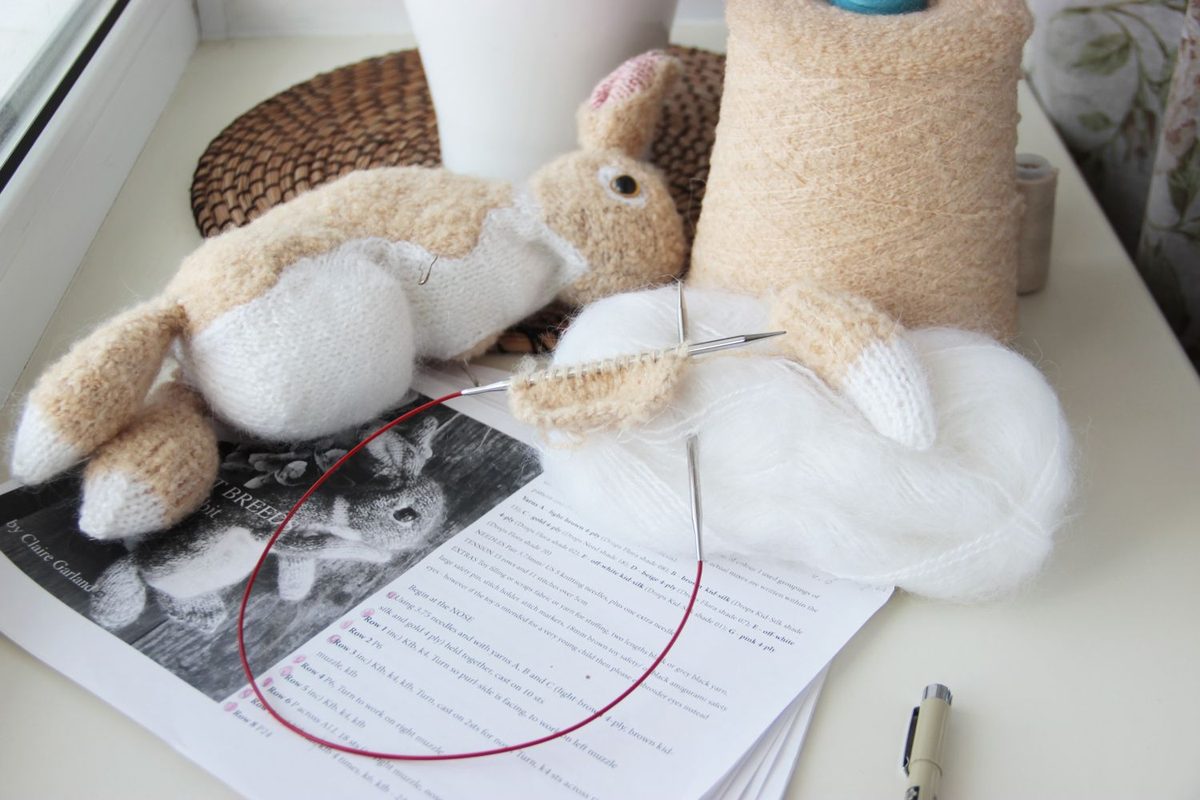
You’ve decided to try knitting with your own hands and came across your first appealing PDF pattern or tutorial. Immediately, a lot of questions pop into your mind: “What do I really need? Which tools and materials are necessary? What if I can’t understand the pattern?” Don’t worry — this article will guide you step by step on how to assemble the minimal set of tools for a successful start and turn your desire to create something with your own hands into reality.
Why It’s Important to Prepare Properly
Before picking up the needles, it’s important to understand what you want to achieve. Beginners usually want to:
-
Make their first beautiful project — for example, a scarf, coaster, or a small toy.
-
Enjoy the process itself — relax and take a break from daily stress.
-
Feel the satisfaction of the finished result, which can be gifted to themselves or loved ones.
Having your tools ready in advance makes it easier to focus on creativity rather than dealing with a mess of yarn and needles.
Basic Tools for a Beginner
1. Needles
-
Straight needles, 3–5 mm — the most versatile choice for first projects.
-
Material: wood or bamboo. Stitches slip less, and the needles are comfortable to hold.
-
Tip: for small toys or amigurumi, thinner needles work best; for scarves and hats, medium-sized needles are ideal.
2. Yarn
-
Soft, medium-thickness yarn (about 100–150 m per 50 g), in light colors — easier to see your stitches.
-
Material: 100% cotton, acrylic, or cotton-wool blend — affordable and convenient for beginners.
-
Tip: for your first project, choose solid-color yarn to avoid distractions from color patterns.
3. Additional Accessories
-
Scissors — sharp and compact.
-
Needle for sewing pieces together — especially important for toys and blankets.
-
Stitch markers — help keep track of row beginnings and pattern repeats.
-
Row counter or notebook — to track your progress.
First Projects: Where to Start
It’s important for beginners to choose projects with quick results to stay motivated:
-
Scarf or cowl — simple rectangular fabric, using knit or rib stitches.
-
Coasters or potholders — quick, useful, and help practice even stitches.
-
Mini toys or amigurumi — small projects with fast feedback.
-
Hat from a single skein of yarn — circular knitting suitable for beginners.
Common Challenges for Beginners and How to Solve Them
| Problem | Solution |
| Stitches are too tight or too loose | Practice with soft yarn, maintain even tension. |
| Stitches slip off the needles | Use bamboo or wooden needles, add stitch markers. |
| Difficulty reading patterns | Start with simple stitches (garter or stockinette), watch beginner video tutorials. |
| Loss of motivation | Break the project into small steps and track your progress. |
Tips for a Successful Start
-
Dedicate a small amount of time daily — 15–30 minutes is enough to get into the rhythm.
-
Join communities — social media groups, forums, and video channels offer inspiration and helpful advice.
-
Start simple, gradually increase complexity — skills improve step by step.
-
View mistakes as experience — every “imperfect” stitch teaches you to knit better.
Conclusion: Your First Step to Knitting Mastery
Preparing your tools is the first and most important step. With them, you turn the desire “I want to knit” into real action. Start with a simple project, use the minimal set of needles, yarn, and accessories, and every stitch will bring you closer to skill and enjoyment.
Remember: the main goal is to create something with your own hands and enjoy it. Everything else will come with experience.