
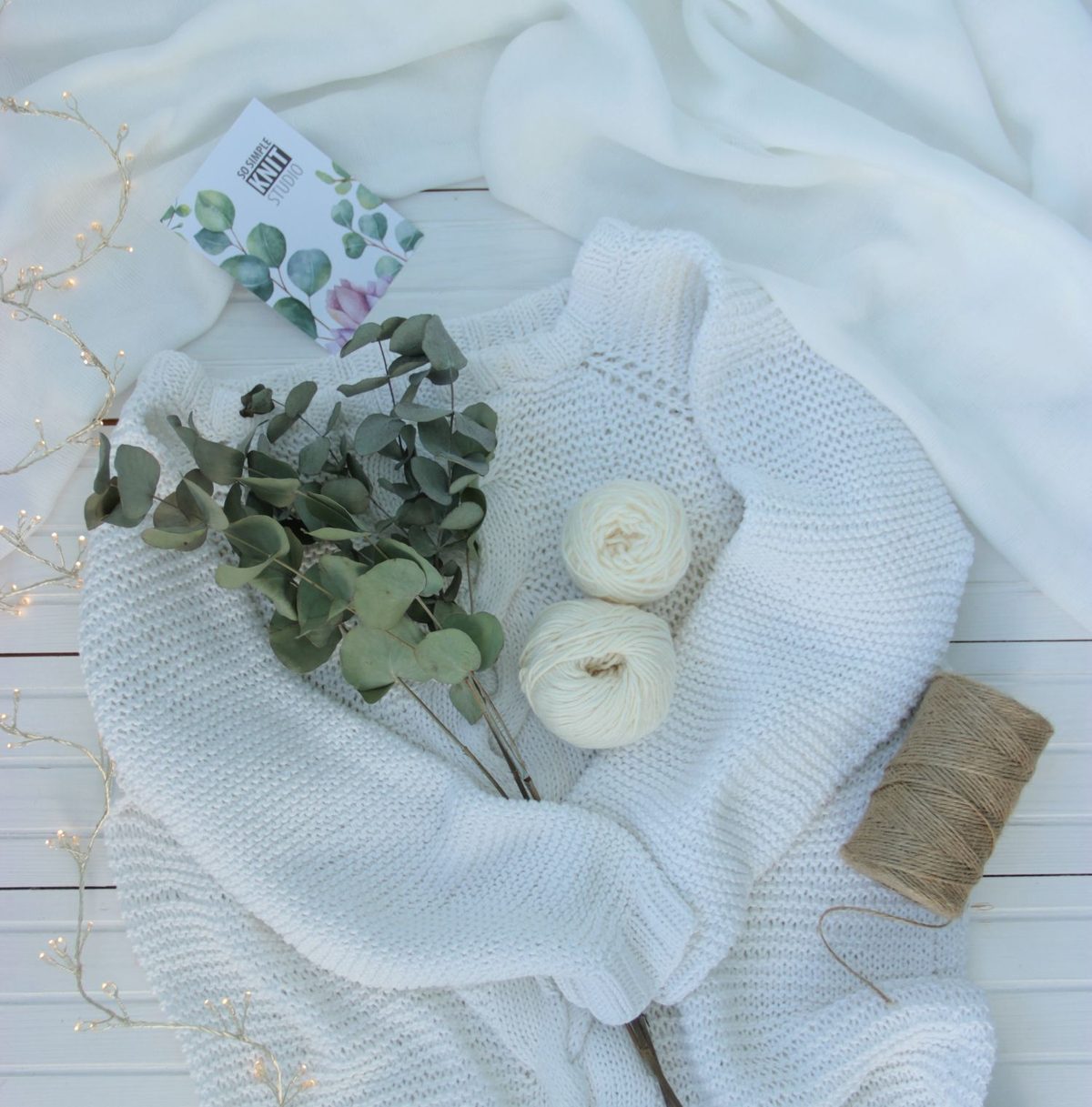
Knitting with needles is not just a cozy hobby — it’s a way to create something unique with your own hands. If you’ve just decided to give it a try, you might be thinking, “Where do I start? What tools do I need? What if I can’t do it?” Let’s break it down step by step so your first knitting experience is easy and enjoyable.
Why You Should Try Knitting Right Now
First, let’s talk about why knitting is worth trying. Here’s what you’ll get:
-
Relaxation and stress relief — the process is meditative and helps you take your mind off worries.
-
Harmony with yourself — seeing the results of your work is inspiring.
-
Unique items for yourself and loved ones — a scarf, hat, or blanket that you won’t find in stores.
-
Creative freedom — you can experiment with colors, patterns, and textures.
What You Need to Get Started: The Basic Tools
Don’t worry — you don’t need a huge collection of tools to start. Here’s what you need:
Needles
-
Start with straight needles of medium size (3–5 mm). They are comfortable for beginners.
-
Wooden or bamboo needles are recommended—they prevent stitches from slipping as much as plastic or metal ones.
Yarn
-
Soft, medium-thickness yarn in a light color is best—it’s easier to see your stitches.
-
100% cotton or a cotton-wool blend is budget-friendly and ideal for first projects.
Additional Supplies
-
Scissors, a sewing needle for joining pieces, and stitch markers.
With this minimal set, you can already start creating small masterpieces.
First Projects: What Beginners Can Really Make
For a beginner, it’s important not to overload yourself with complicated patterns but to see results quickly. Here are some ideas:
-
Scarf or cowl — a simple rectangle in stockinette or rib stitch.
-
Coasters — quick and useful practice projects.
-
Hat from a single skein — a simple circular knitting project.
-
Mini toys or amigurumi — small, fast projects perfect for motivation.
Rule of thumb: choose projects that can be finished in 1–2 days so you can see the results and enjoy the process.
Common Challenges Beginners Face
Incorrect tension
-
Solution: make sure your stitches aren’t too tight or too loose. Practice and soft yarn help.
Stitches slipping off the needles
-
Solution: use bamboo or wooden needles and stitch markers.
Difficulty reading patterns
-
Solution: start with simple stitches like garter or stockinette. Beginner video tutorials are great for visual guidance.
Loss of motivation
-
Solution: set small goals—finish one side of a scarf or one small toy. Seeing progress is key!
Tips for Success: Turning Knitting into a Habit
-
Dedicate 15–30 minutes a day — small, consistent sessions are better than long, infrequent ones.
-
Join communities — online groups and forums inspire and provide helpful advice.
-
Start simple and gradually increase complexity — progress comes step by step, as with any hobby.
-
See mistakes as learning opportunities — every “failed” stitch teaches you to knit better.
Conclusion: Your First Step Toward Creativity
Don’t be afraid to start small. Knitting is not about perfect results from the first try—it’s about enjoying the process. Grab your needles, a skein of yarn, and choose your first project—a scarf, a mini toy, or a coaster. Every stitch will bring you closer to confidence and skill.
Remember: the main job you want to accomplish is to create something with your own hands and enjoy it. Everything else will come with experience.
Best wishes, Nataly
https://sosimpleknit.com/shop/